C-TEC XFP and Advanced MxPro 5 fire alarm systems, paired with compatible Apollo detectors. Specified for your building by our Stockport team, with installation, servicing and ongoing support.
APOLLO · DISCOVERYDependable detection. A considered design.Apollo detectors for both C-TEC and Advanced systems
C-TEC XFP · Advanced MxPro 5
Clear information. Control where it matters.
Both ranges use analogue addressable technology to identify individual devices. We specify the panel, detector protocol and system configuration together.
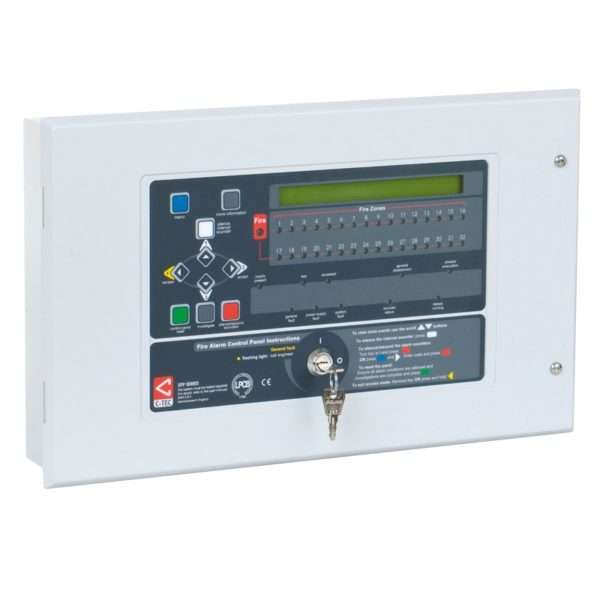
C-TEC XFP · XFP502/X
Practical analogue addressable control
The Apollo-compatible XFP502/X provides two detection loops and 32-zone indication in a metal enclosure. Clear controls and networking options suit standalone installations and connected systems.
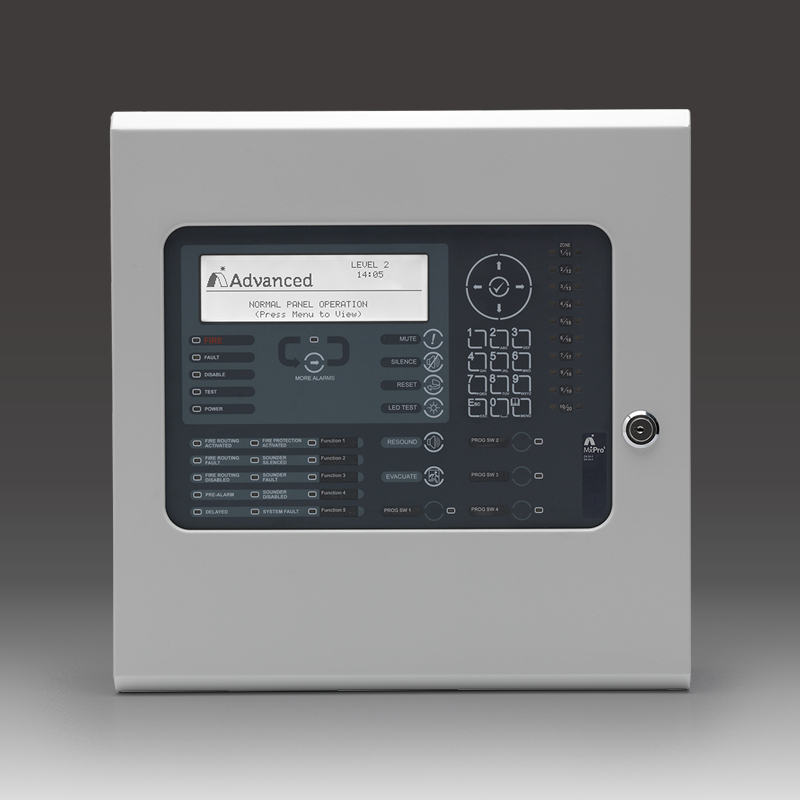
The current-generation MxPro 5 range offers one, two, four and eight-loop formats. Its flexible networking and configuration support larger or more complex buildings, with Apollo-compatible options.
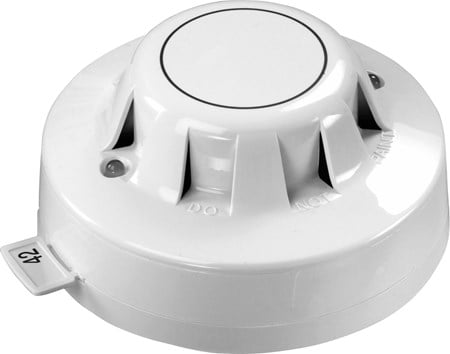
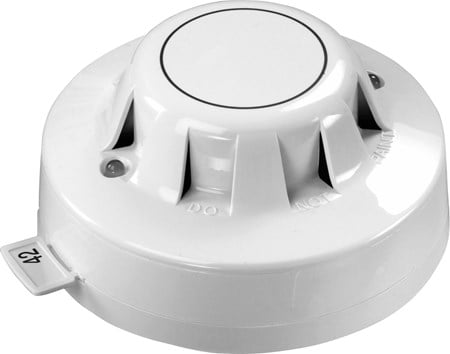
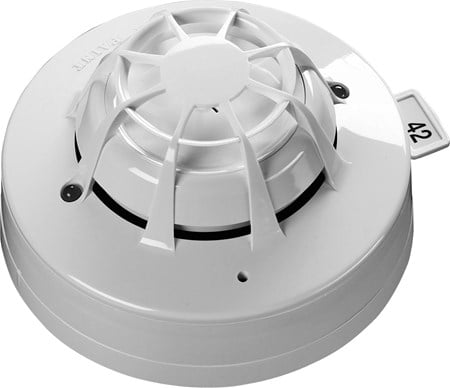
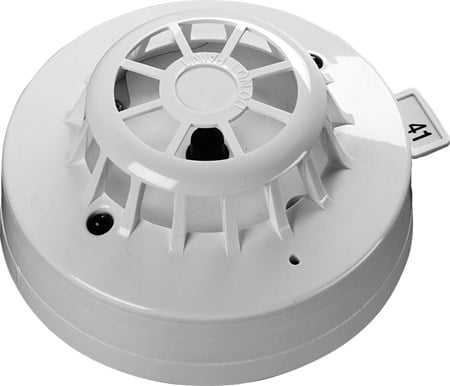
Temperature detection with five operating modes. We select the response for each area, including locations where normal dust or smoke makes optical detection unsuitable.
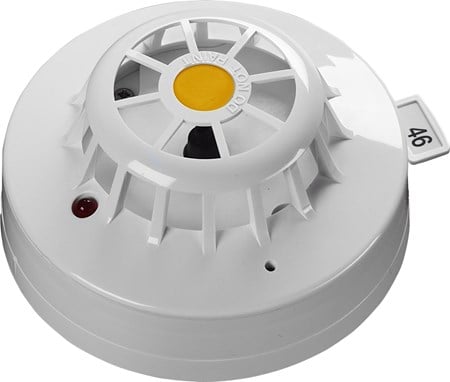
A fixed-temperature addressable heat detector with a nominal 55°C alarm threshold. The detector type and location are selected as part of the fire-system design.
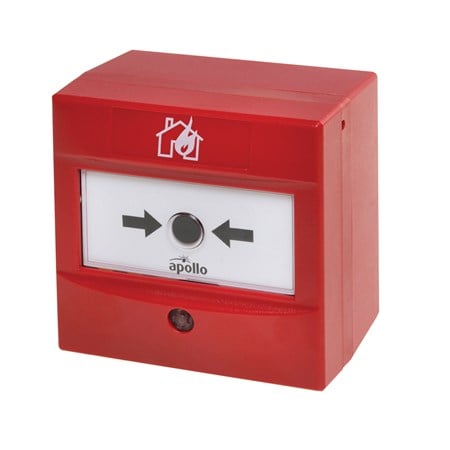
A resettable manual call point with a built-in short-circuit isolator and visible alarm indicator. Compatible with XP95, Discovery and CoreProtocol systems.
We confirm panel compatibility, detector bases, operating modes and device positions for the complete installation. The interactive views use Apollo’s official building-design models and show simplified finishes.
Installation, servicing and support
Trident has supplied and installed fire alarm systems for more than 20 years. Our experience ranges from basic systems with manual call points to larger installations in power stations.
We help customers choose suitable equipment and work to the relevant British or European standards for the installation.
Fire detection and alarm options
Standalone alarms: smoke or heat alarms with built-in sounders, powered by batteries or a mains supply, depending on the model.
Interlinked alarms: compatible alarms connected so that an activation can sound the other units. Options include wired or wireless interconnection and suitable backup power.
Systems for houses in multiple occupation: an arrangement of appropriate detectors, warning devices and manual call points, specified for the building.
Conventional fire alarm systems: a control panel with zone indication, backup batteries and connected detection and warning devices. Equipment may include smoke or heat detectors, sounders, manual call points and beam detectors where appropriate.
Addressable systems: systems commonly used in larger buildings, including hotels, hospitals, business premises and public buildings. These can identify individual devices and report their status to the control panel, helping locate an activation or fault.
The right system depends on the building and its requirements. Contact us to arrange a free visit and consultation so that we can discuss the available options.
Planning your system
Helpful answers.
Which fire alarm panels do you supply?
Our featured addressable systems are the C-TEC XFP and Advanced MxPro 5 ranges. We select a panel and compatible Apollo devices for the building and the system requirements.
Do all Apollo detectors work with both panels?
No. Matching the brand alone is not enough: the detector protocol, panel support and system design must be checked. We specify compatible smoke, heat, multisensor and call-point devices for the chosen panel.
Do you service existing fire alarms?
We provide servicing and support as well as new installations. Send us the panel make and model, the building type and any available system records so we can discuss the work required.